About Germany
Discover the heart of Europe - A nation of innovation, culture, and opportunity
General Information
Germany, officially the Federal Republic of Germany, is a country in Central Europe. It is the second-most populous country in Europe after Russia, and the most populous member state of the European Union. Germany is situated between the Baltic and North seas to the north, and the Alps to the south.
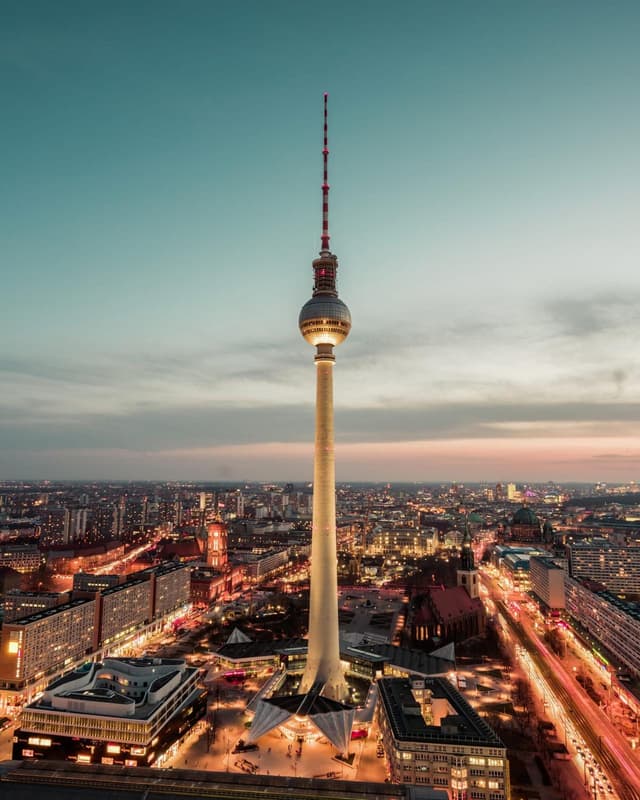
Capital

Population

Language
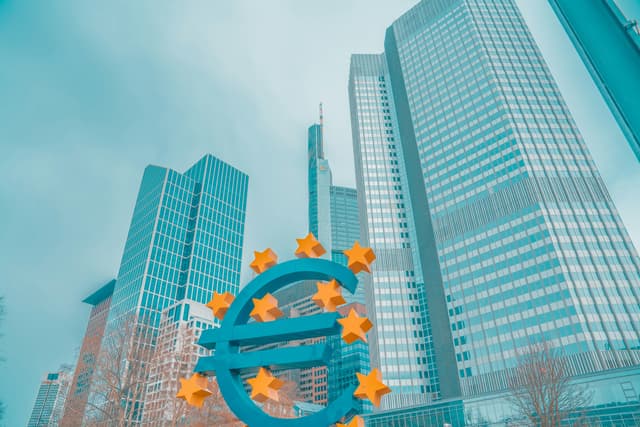
Currency

Time Zone

Climate
Geography and Regions
Germany is divided into 16 federal states (Bundesländer), each with its own unique culture, economy, and characteristics. The country spans 357,022 square kilometers and shares borders with nine European countries: Denmark, Poland, Czech Republic, Austria, Switzerland, France, Luxembourg, Belgium, and the Netherlands.
Culture and Society
Germany is known for its rich cultural heritage, including contributions to philosophy, music, literature, and science. The country is home to numerous UNESCO World Heritage Sites, world-class museums, and vibrant cultural scenes in cities like Berlin, Munich, Hamburg, and Frankfurt.
German society values education, innovation, and work-life balance. The country is known for its high quality of life, excellent public infrastructure, and strong social welfare system.
Economy
Germany has the largest national economy in Europe and the fourth-largest by nominal GDP in the world. It is a global leader in various industries and known for its engineering excellence, innovation, and export-oriented economy.
Key Economic Indicators
| Indicator | Value |
|---|---|
| GDP (Nominal) | €4.26 trillion (2023) |
| GDP per Capita | €51,200 (2023) |
| Unemployment Rate | 5.4% (2022) |
| Inflation Rate | 3.7% (2023) |
| Main Export Partners | USA, China, France, Netherlands, UK |
Leading Industries

Automotive Industry

Engineering & Manufacturing

Information Technology

Healthcare & Pharmaceuticals

Renewable Energy

Financial Services
Innovation and Research
Germany invests heavily in research and development, spending approximately 3.1% of its GDP on R&D. The country is home to numerous research institutions, including the Max Planck Society, Fraunhofer Society, and Helmholtz Association, which are among the world's leading research organizations.
The German government actively supports innovation through various programs and initiatives, making it an attractive destination for researchers, scientists, and entrepreneurs from around the world.
Employment Opportunities
Germany's strong economy creates excellent employment opportunities for skilled professionals. The country has a shortage of skilled workers in various sectors, particularly in:
- Information Technology: Software engineers, IT project managers, data scientists
- Engineering: Mechanical, electrical, automotive, and civil engineers
- Healthcare: Doctors, nurses, medical researchers
- Business & Finance: Management consultants, financial analysts, accountants
- Research & Development: Scientists, researchers, PhD holders
International students who graduate from German universities have 18 months to find employment in their field, and many find excellent career opportunities in Germany's thriving economy.
Healthcare System in Germany
Germany boasts one of the world's best healthcare systems, consistently ranked among the top healthcare systems globally. The country's healthcare infrastructure is comprehensive, accessible, and of exceptional quality.
Universal Health Coverage
Germany operates a dual healthcare system that ensures all residents have access to quality medical care:
- Statutory Health Insurance (SHI): Mandatory for most residents, covering approximately 90% of the population
- Private Health Insurance: Available for higher-income earners and self-employed individuals
- Student Health Insurance: Affordable mandatory health insurance for students, typically costing around €110-€120 per month

Comprehensive Coverage
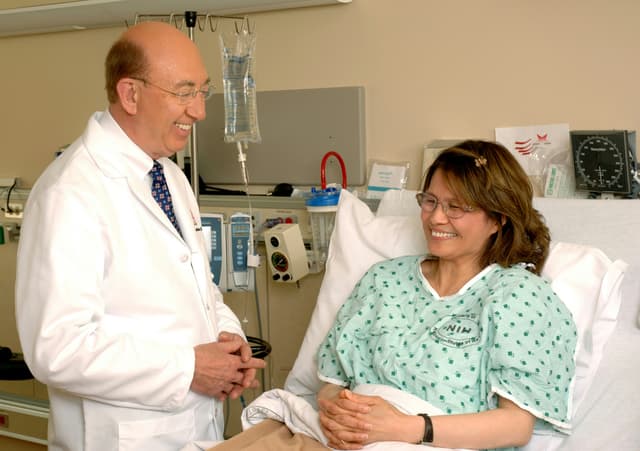
High-Quality Care

Preventive Care Focus
Healthcare for International Students
As an international student in Germany, you are required to have health insurance. The good news is that student health insurance is affordable and comprehensive:
- Monthly cost: Approximately €110-€120 for students under 30
- Full coverage: Includes all necessary medical services
- Easy access: Can be arranged before or upon arrival in Germany
- EU-wide coverage: Your German health insurance is valid throughout the European Union
Work-Life Balance in Germany
Germany is renowned for its excellent work-life balance, consistently ranking among the top countries globally for quality of life. The country's labor laws and cultural values prioritize employee well-being, family time, and personal development.
Working Hours and Regulations
| Aspect | Details |
|---|---|
| Standard Working Week | 35-40 hours per week (varies by industry) |
| Maximum Working Hours | 48 hours per week (legally mandated maximum) |
| Overtime | Compensated with extra pay or time off |
| Breaks | Mandatory breaks during work hours |
| Weekend Work | Restricted, with special compensation if required |
Vacation and Time Off

Annual Leave

Public Holidays

Sick Leave

Parental Leave
Why Choose Germany?

Affordable Education
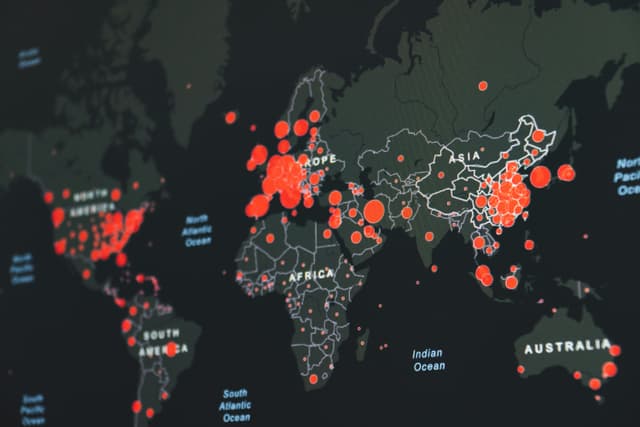
Global Recognition

Post-Study Opportunities

Safe and Secure
Central Location